La preventa agotada y el cuidado colectivo: así se preparar La Plata para BTS
Tressoldades en el Estadio Único, una llegada vigilada en Ezeiza y fans que'', antes de los shows, Excerptaron recomendaciones de higiene, privacidad y respeto.
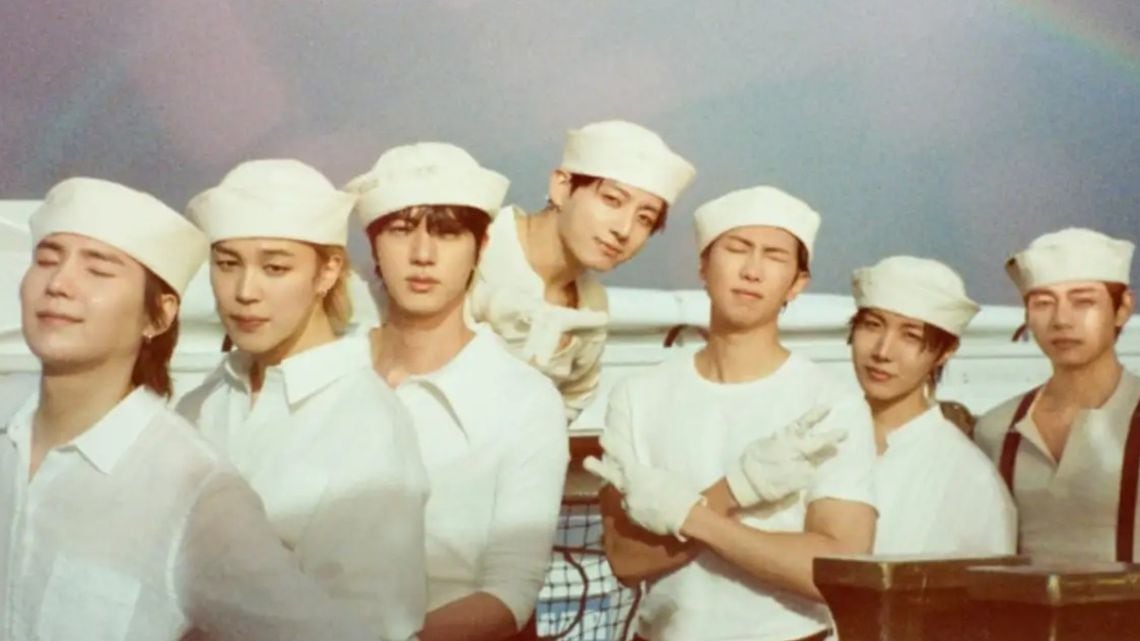
La primera escena no ocurrió dentro del Estadio Único Diego Armando Maradona, sino en elmo mapa de la ciudad: el aeropuerto de Ezeiza, donde el GBT habría waited for followers after the confirmation of its arrival. From there, the anticipation became aayında movement and a mass concentration, while the final tickets for the three shows on October 21, 23, and 24 were already gone.
The South Korean group arrived in Argentina on Monday, October 19, as part of its world tour, and ARIRANG. The ARMY, the name used for the global fan community, followed every new information about the visit: videos and photographs of the arrival circulated continuously on social networks, and this kind of minute-by-minute monitoring became one of the hallmarks of the fandom. The fact that there were no available tickets only increased the attention and made every message, image, or detail of the visit part of the collective anticipation.
Community guidelines before the shows
Before the concerts, different fanbases shared a series of guidelines for organizing the collective experience. One of the most widely spread recommendations was to arrive clean, both for entering the stadium and for participating in the camps held while waiting. The proposal sought to preserve hygiene during long waits and was one of the central topics in the social media conversation about how to prepare for the shows.
Another recommendation focused on respecting the artists' privacy. The communities asked followers not to gather at hotels, not to follow the musicians' movements, and not to share their private locations or schedules in real time. The call was made against practices associated with sasaeng, the Korean term used to refer to fans who invade artists' private spaces. The meaning was explained within the fandom itself: the objective was to support the group without turning its members into exposed objects.
- Attend clean both for the stadium and for the camps held before the shows.
- Do not gather at hotels or follow the musicians' transfers.
- Do not share private locations or schedules in real time.
- Keep the official light sticks, the ARMY Bomb, at a height that does not obstruct other attendees' view.
- Do not throw objects toward the stage.
- Respect other people's personal space inside the stadium.
The guidelines also included practical instructions for the interior of the venue: not throwing objects onto the stage, using the official light sticks, and respecting the personal space of other attendees. In this sense, the recommendations were not only a call for fan solidarity; they also attempted to reduce risks and make the shows a more comfortable experience for everyone present. The language was direct and the message was aimed at preserving both the artists and the audience.
The preparation, however, also revealed disagreements within the fandom. Some messages questioned the presence of public figures outside the community in spaces that long-time followers consider their own. The debate showed that the idea of belonging is not always uniform, even within a globally identified fan collective. Regarding access, the event itself remained the reference: admission and location depend exclusively on the tickets acquired and the event's arrangements, independently of any prior claims or expectations.
“La Convivencia también se construye antes de encender las luces.”Interpretación de la organización planteada por las comunidades
The three dates at the Estadio Único Diego Armando Maradona will take place on an exhausted ticket inventory, while the arrival at Ezeiza has already projected the scale of the event. The social media debate about camp hygiene, privacy, and coexistence has become another part of the news: not only because of the shows, but also because of the way the fandom tried to regulate its own conduct. For those who want to understand what happened in La Plata, it is worth paying attention to both the stadium and the conversations that preceded it, because the collective experience is also built before the first chord and in the way people decide to treat one another.